chi 2025 recap 🌸
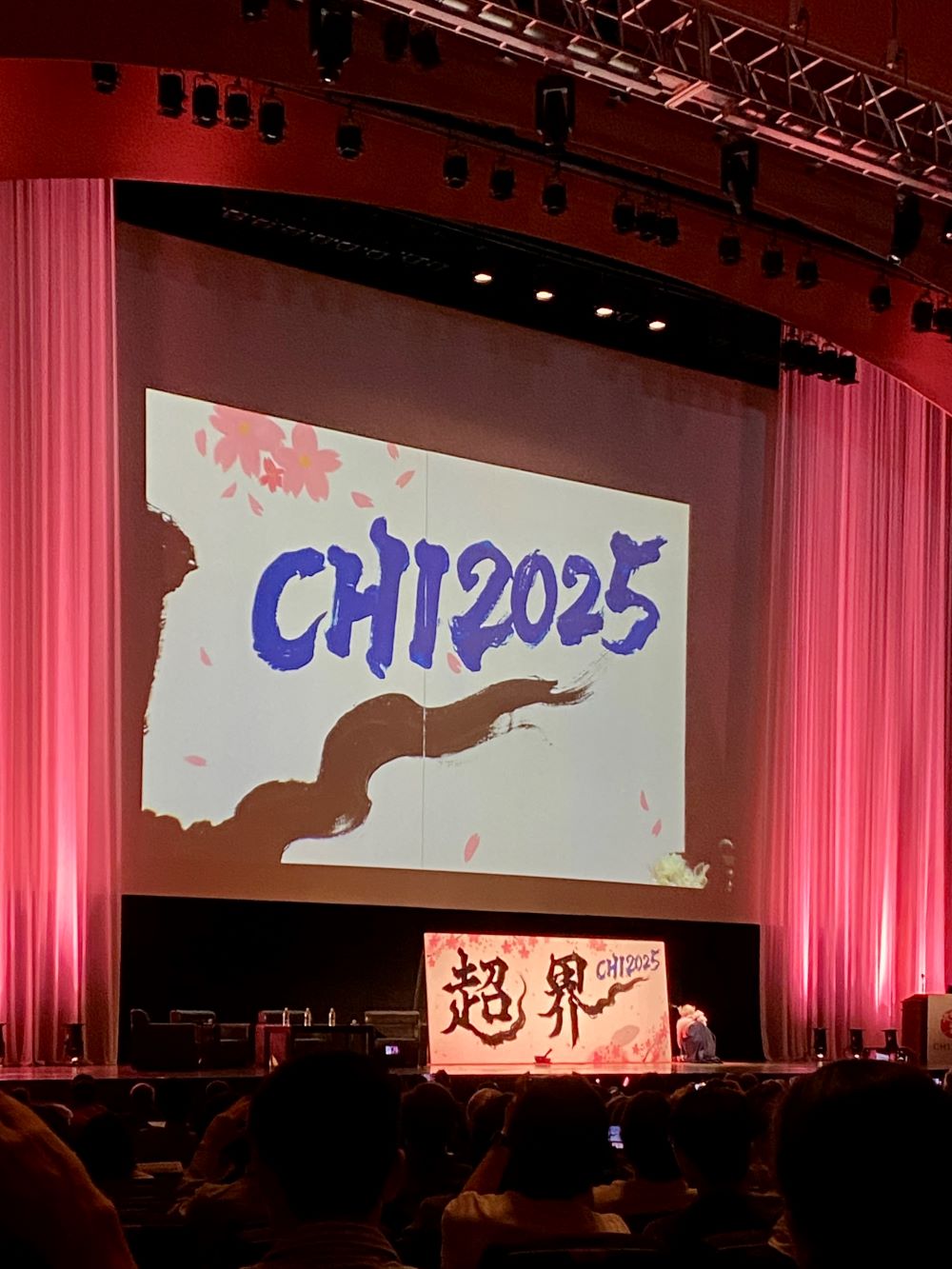
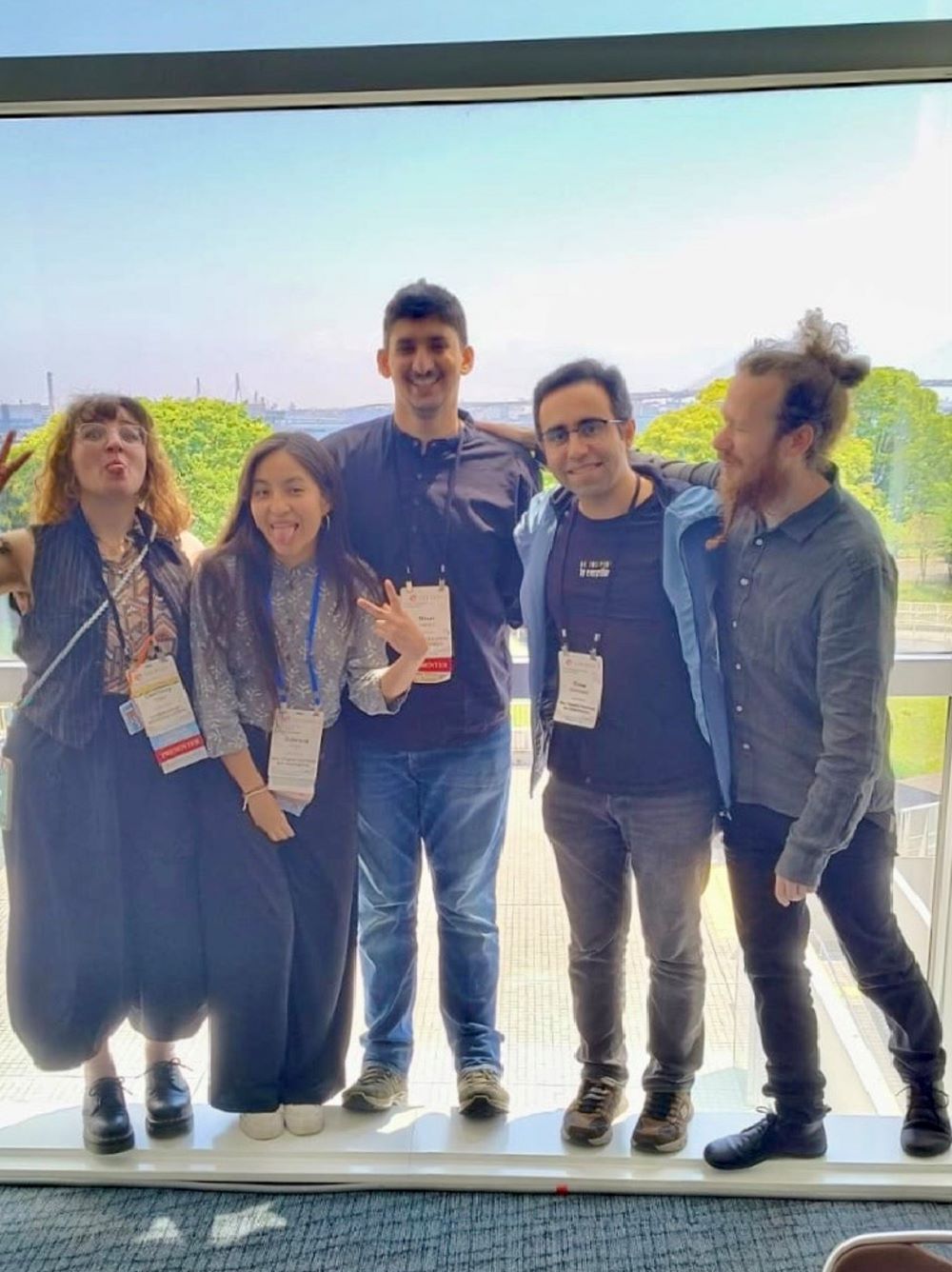
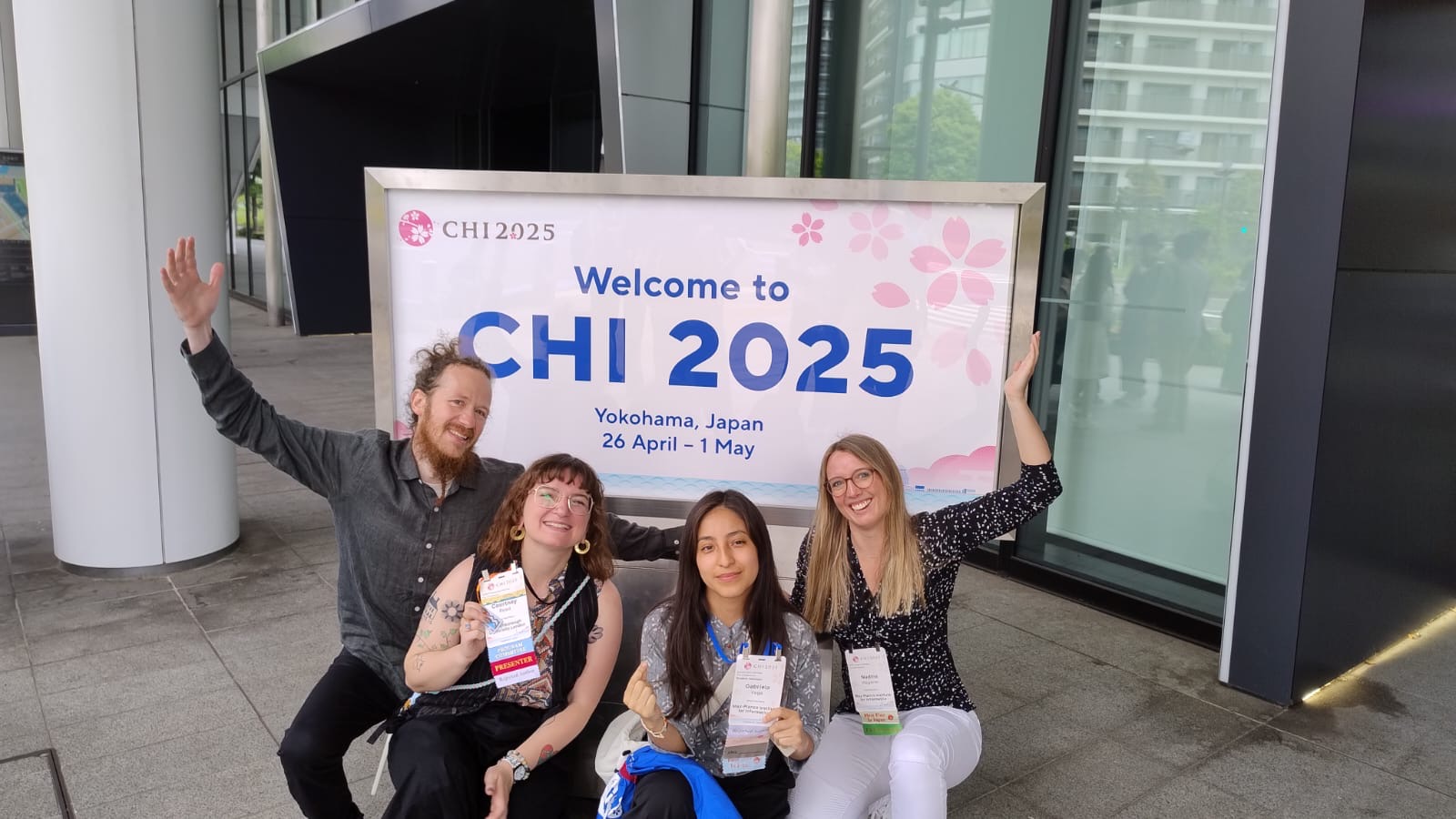
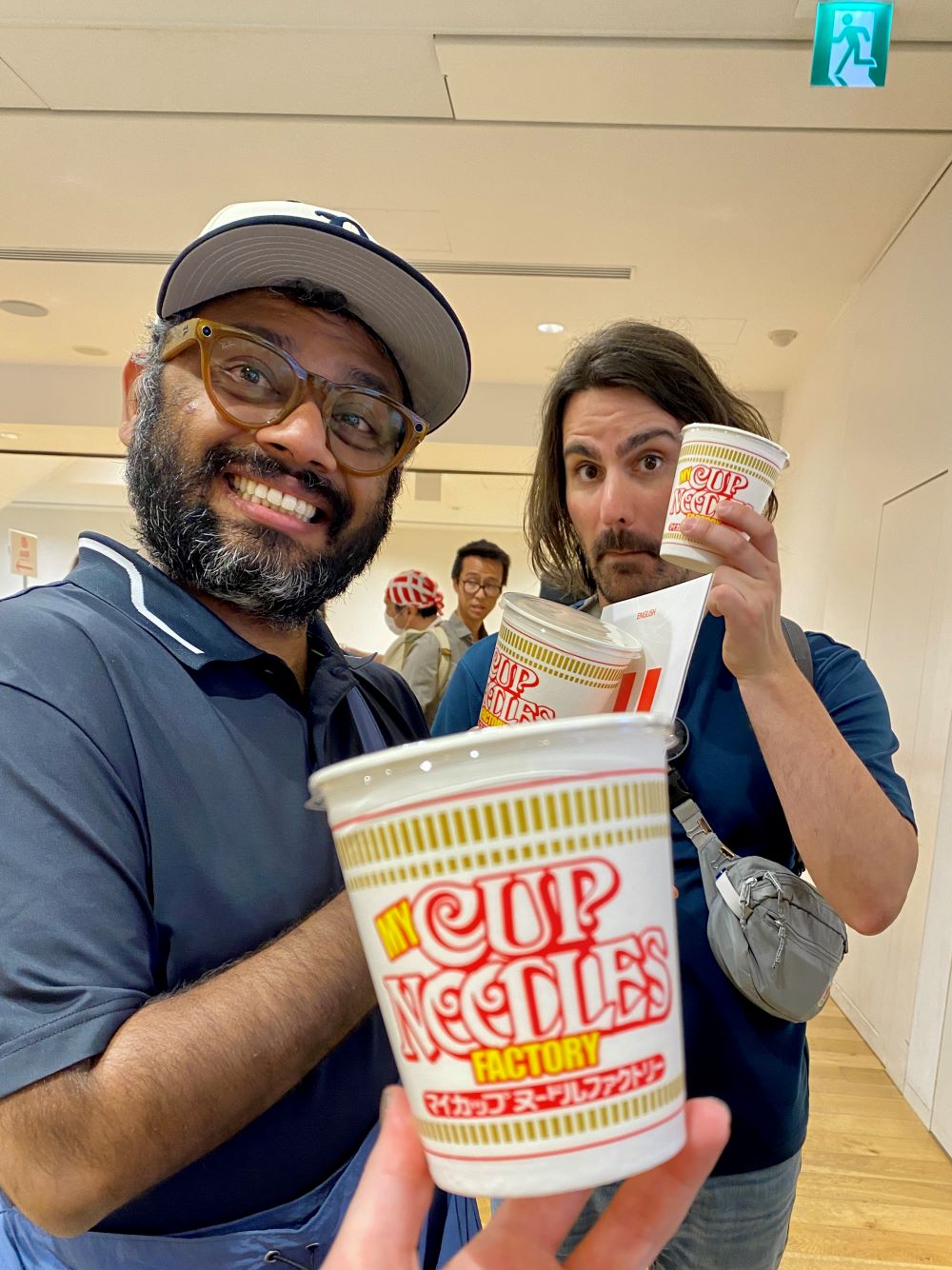
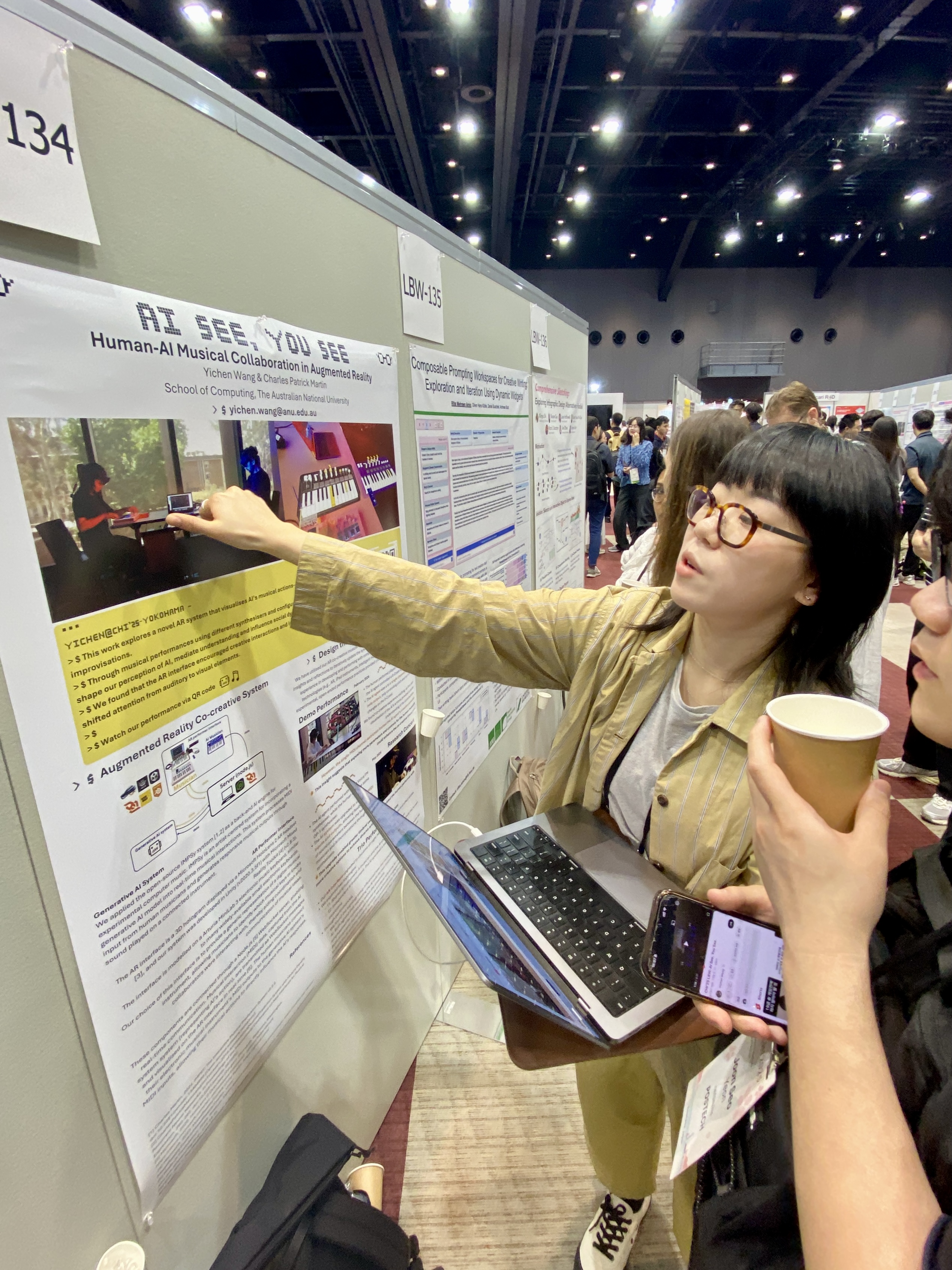
A very busy 2026 of the ACM CHI Conference on Human Factors in Computing Systems (CHI) in Yokohama, JP. It was great to be back to Japan after so many years, catching up with friends from my days in Tokyo, and spending great time with HCI colleagues. We had a couple presentations - one TOCHI article and a new CHI publication - a workshop on sensorimotor interaction, and an excellent FemCHI meetup. 🌸🍡




sensorimotor devices
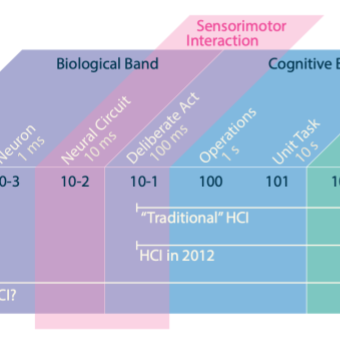
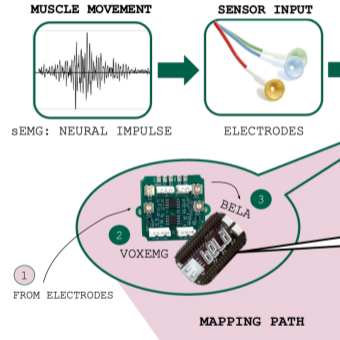
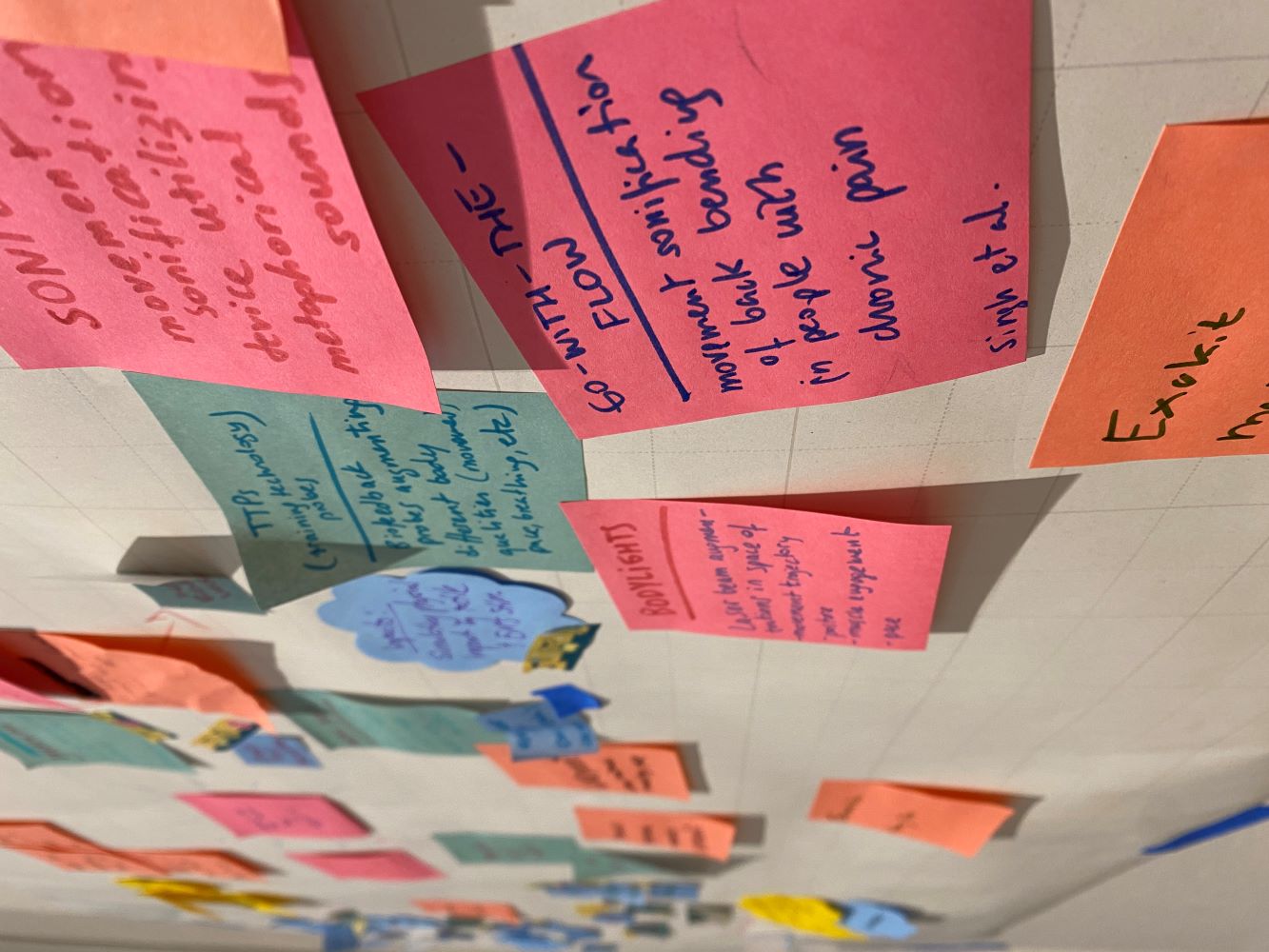
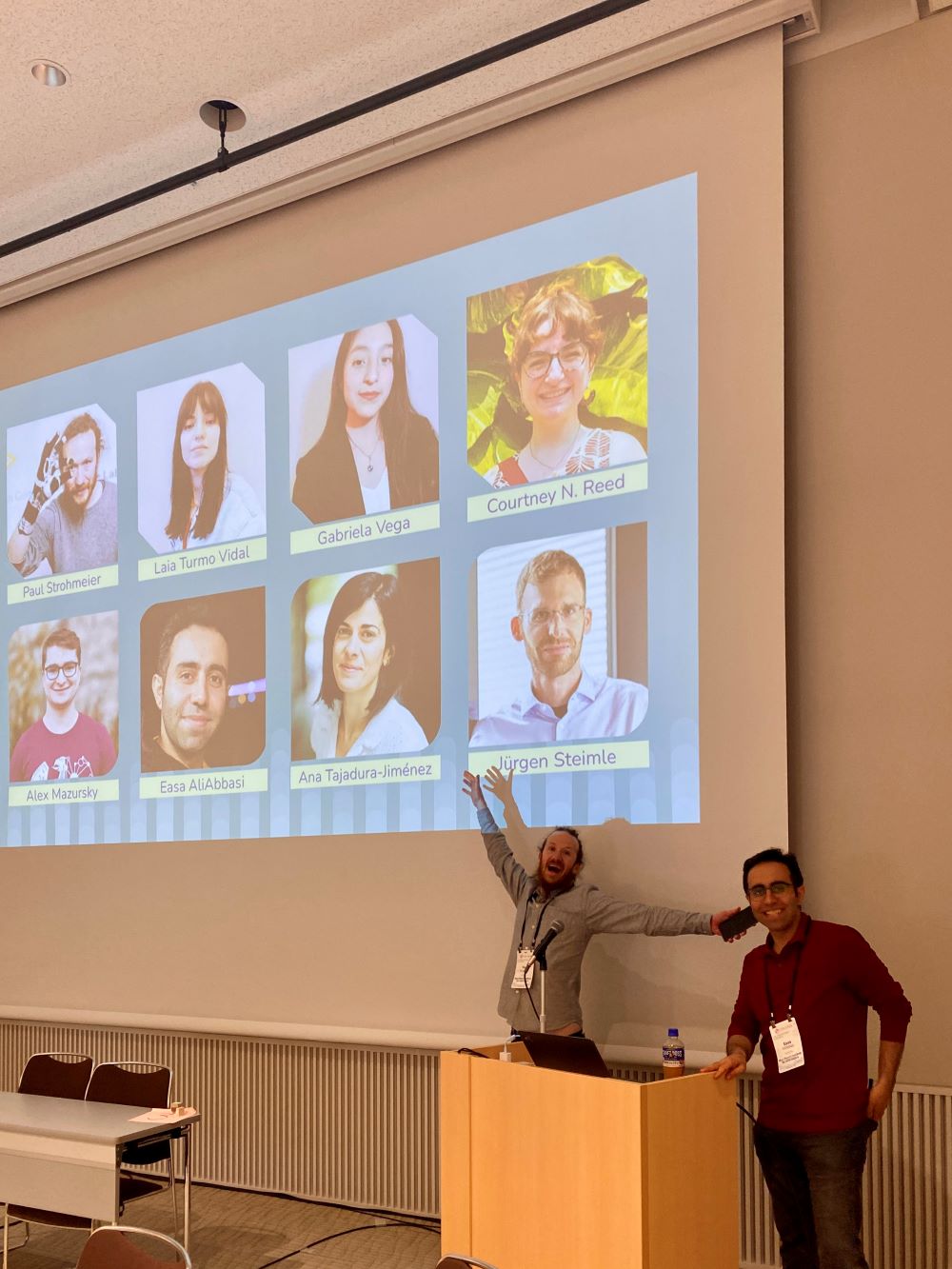
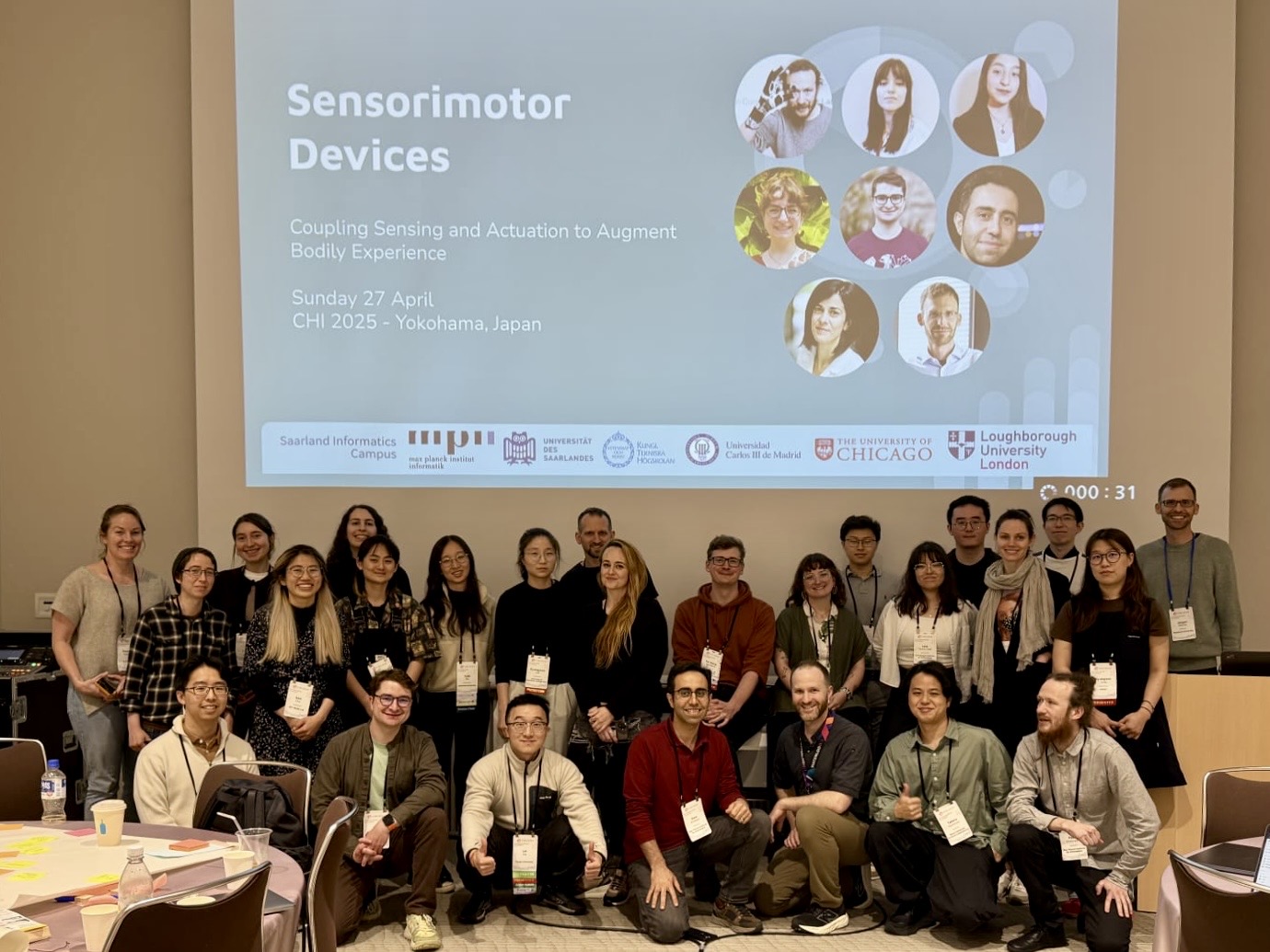
I always recommend folks new to CHI to sign up for a pre-conference workshop and get acquainted with the community before diving into the massive scene of the day programme. This year was the first time I’ve gotten to organise a CHI workshop; with the fabulous senSInt group, we ran a programme on Sensorimotor Devices: Coupling Sensing and Actuation to Augment Bodily Experience.
We demoed some of the latest in sensory experience design and explored some of our goals and aspirations for designing sensorimotor devices and where we would like the field to progress in the next 5, 10, and 50 years.

research proceedings
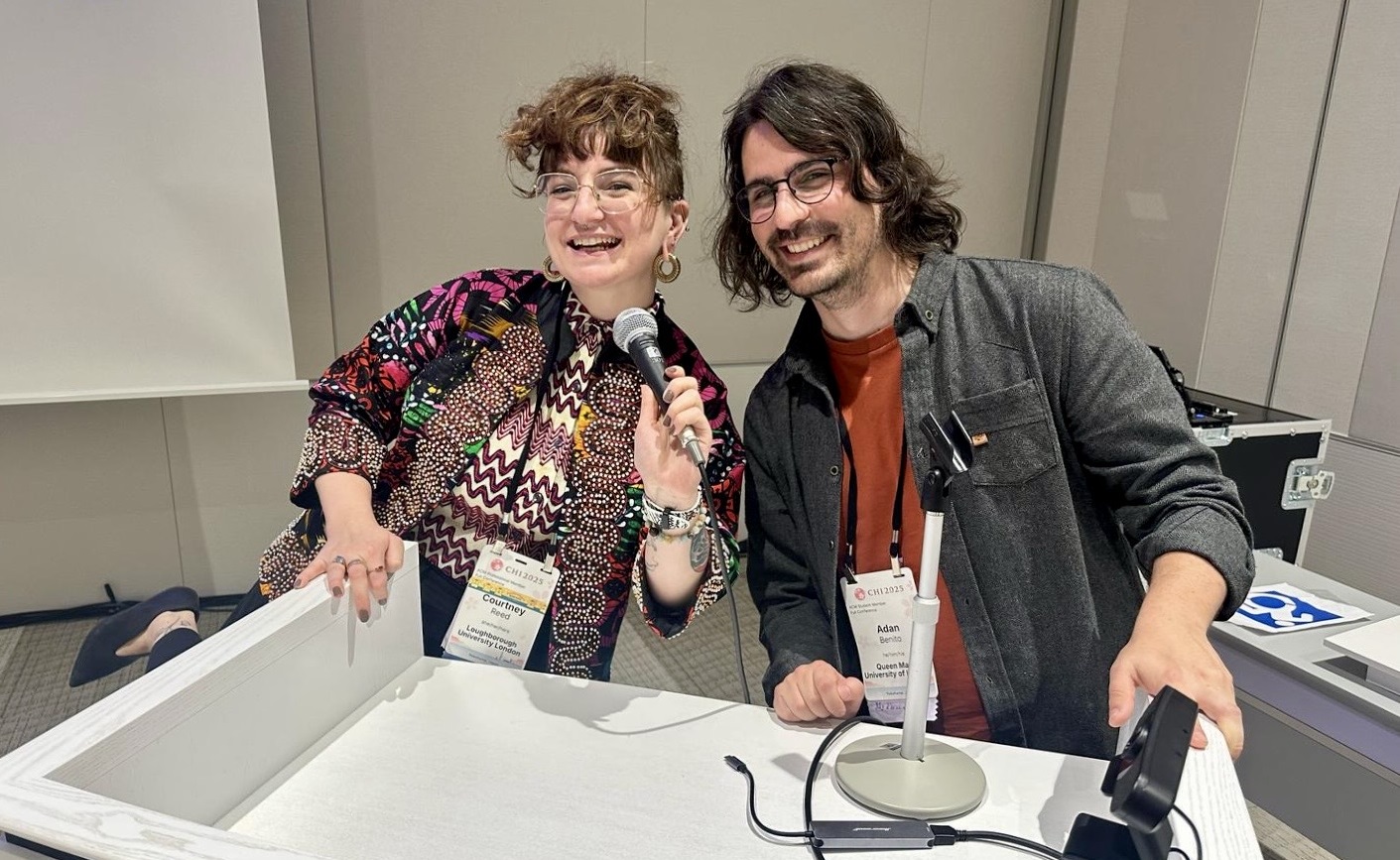
I presented work with my collaborator (and great friend!) Adan Benito that was published earlier in the year in the TOCHI (Transactions of Computer-Human Interaction) journal. We took a theoretical approach to explore how mappings in data-driven designs fix representations of ambiguity and shift complex relationalities around interactions:
Shifting Ambiguity, Collapsing Indeterminacy: Designing with Data as Baradian Apparatus (Courtney N. Reed, Adan L. Benito, Franco Caspe, and Andrew P. McPherson)
“… We examine data-enabled artefacts acting as Baradian apparatuses: they do not exist independently of the phenomenon they seek to measure but rather collect and co-produce observations from within their entangled state: the phenomenon and the apparatus co-constitute one another. Connecting Barad’s quantum view of indeterminacy to the prevailing HCI discourse on the opportunities and challenges of ambiguity, we suggest that the very act of trying to stabilise a conceptual interpretation of data within an artefact has the paradoxical effect of amplifying and shifting ambiguity in interaction… we explore the nature of the apparatus, what phenomena it co-produces, and where the ambiguity lies to suggest approaches for design using these abstract theoretical frameworks.”
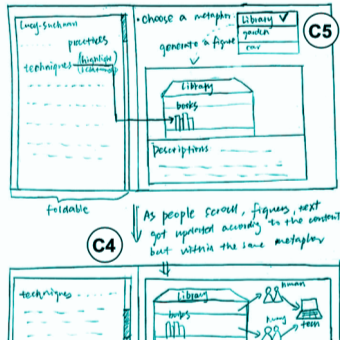
Another article featuring work by a new collaboration team at the University of California San Diego and ETH Zürich was presented by my coauthor Matin Yarmand. This work adapted our previous model of metaphor communication, presented at CHI’23, for interdisciplinary reading and iterative generated metaphors:
Towards Dialogic and On-Demand Metaphors for Interdisciplinary Reading (Matin Yarmand, Courtney N. Reed, Udayan Tandon, Eric B. Hekler, Nadir Weibel, and April Yi Wang)
“The interdisciplinary field of Human-Computer Interaction (HCI) thrives on productive engagement with different domains, yet this engagement often breaks due to idiosyncratic writing styles and unfamiliar concepts. Inspired by the dialogic model of abstract metaphors, as well as the potential of Large Language Models (LLMs) to produce on-demand support, we investigate the use of metaphors to facilitate engagement between Science and Technology Studies (STS) and System HCI… metaphors enhance likelihood to continue reading STS papers, and alternative perspectives can build critical thinking skills to mitigate potential risks of LLM-generated metaphors. We lastly offer a specified model of metaphor exchange (within this generative context) that incorporates alternative perspectives to construct shared understanding in interdisciplinary engagement.”